


About Us
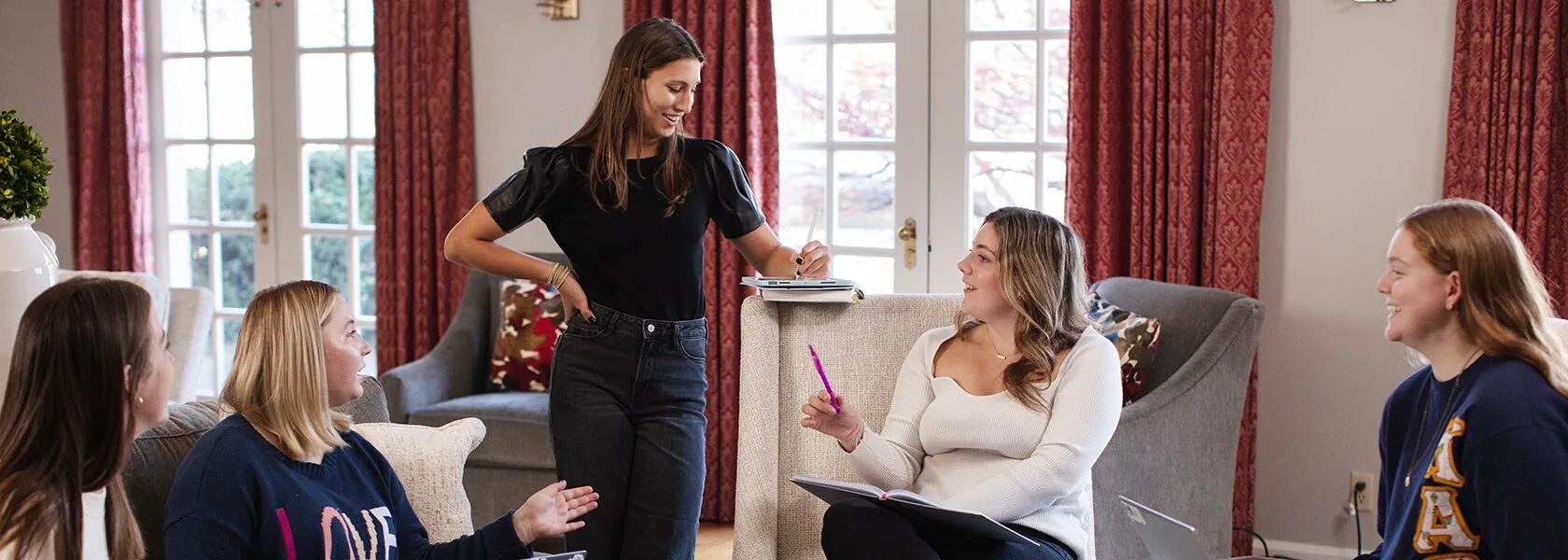
There are many organizations we can join as collegians and alumnae. But Theta isn’t like other organizations. Our members are different: we aren’t afraid to stand out, to make a difference together. We are women supporting women, and we inspire one another to be our best selves.
Mission
Kappa Alpha Theta nurtures each member throughout her lifetime, offering opportunities for intellectual and personal growth.
Vision
Leading every member to personal excellence through lifelong sisterhood.
Values
Scholarship, service, leadership, personal excellence, and friendship/sisterhood.
Membership

Membership
As some of the earliest women to attend college, Kappa Alpha Theta’s founders fought to be recognized and accepted in a frequently hostile educational and social environment. Today, we strive to provide an inclusive environment throughout the membership experience. Our mission is to offer women lifelong opportunities for intellectual and personal growth.
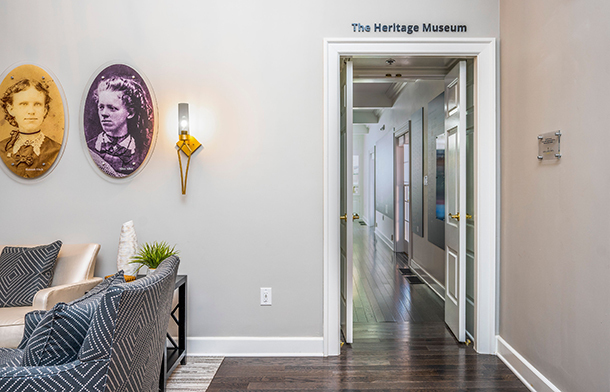
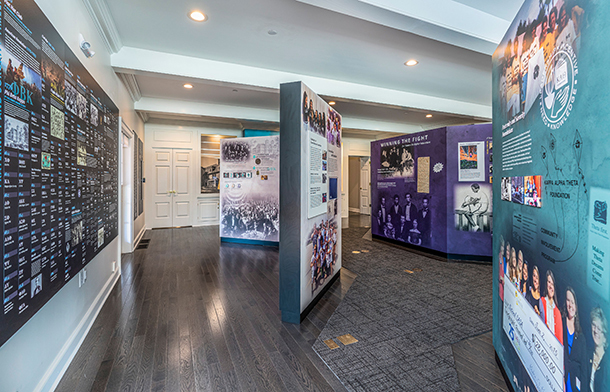
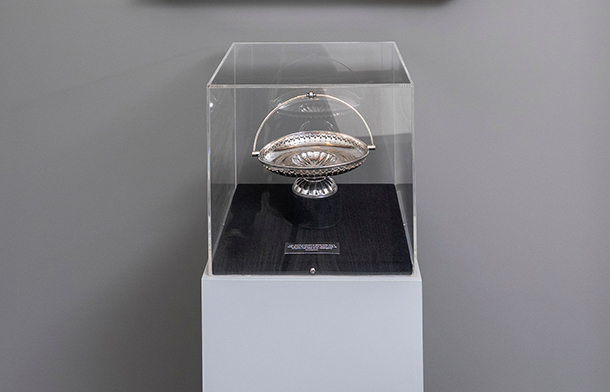
The Heritage Museum

Kappa Alpha Theta Headquarters
-
The first salaried position established by Kappa Alpha Theta was that of the editor in 1891. In 1909, the editor and grand secretary positions combined. L. Pearle Green, Grand Secretary from 1909 to 1939 and editor from 1911 to 1949, worked out of her sister's home in Ithaca, New York, and for many years this early home office served as the defacto central office of Kappa Alpha Theta. In 1922, Grand Council allocated funds for a central executive office with a secretary, clerical assistant, office rent, and equipment.
-
A report by efficiency experts in 1938 led to a complete reorganization of the administration of Kappa Alpha Theta, including its central office. Miss Green stepped down from her position as executive secretary in 1939. Helen Sackett become the executive secretary, and Dorathea Jacobs joined her as bookkeeper. The central office was moved to Evanston, Illinois. Between 1939 and 1983, the Evanston office moved three times. Dorothy Vaaler served as executive secretary from 1960 to 1972, Rosemary Nilson from 1972 to 1974, Marge Beebe McAdams from 1974 to 1977, and Nancy Weese from 1977 to 1983.
-
As early as 1974, Grand Council discussed the possibility of Kappa Alpha Theta purchasing its own headquarters building. Discussion centered on Indianapolis as the possible location for such an office due to tax credits given to nonprofits at the time as well as Indiana being the state of our founding. In 1979, a committee and funds were dedicated to the process. In 1982, ground was broken for the new home, and it was dedicated in 1983. Since headquarters has been in Indianapolis, there have been two executive directors: Marcia Bond, from 1983 to 1997, and Elizabeth Sierk Corridan, from 1997 to 2015. Corridan was named chief executive officer (CEO) in December 2015 and retired in July 2022. Jennifer Broughton Schmaltz is the current CEO.
National Panhellenic Conference
The National Panhellenic Conference (NPC) was founded in 1902 as an umbrella organization for 26 national and international women's fraternities and sororities. Kappa Alpha Theta, along with Alpha Phi, Alpha Chi Omega, Gamma Phi Beta, Delta Gamma, Delta Delta Delta, Kappa Kappa Gamma, Pi Beta Phi, and Chi Omega, was a founding member group and is the only organization to have held the chairmanship of NPC three times.
Learn MoreTheta Heritage
This program is a great way to not only make Theta connections, but also to learn from others who want to share more about the mental health field and guide younger members.
Learn More About Theta HeritageMemorial Service
This service is available to the families of deceased members of Kappa Alpha Theta. Should the family so desire, it can be incorporated by an officiant of the funeral or memorial service. A family member of the deceased or a Theta sister can also lead it.